Top 5 Best Whole House Water Filter Systems in 2026
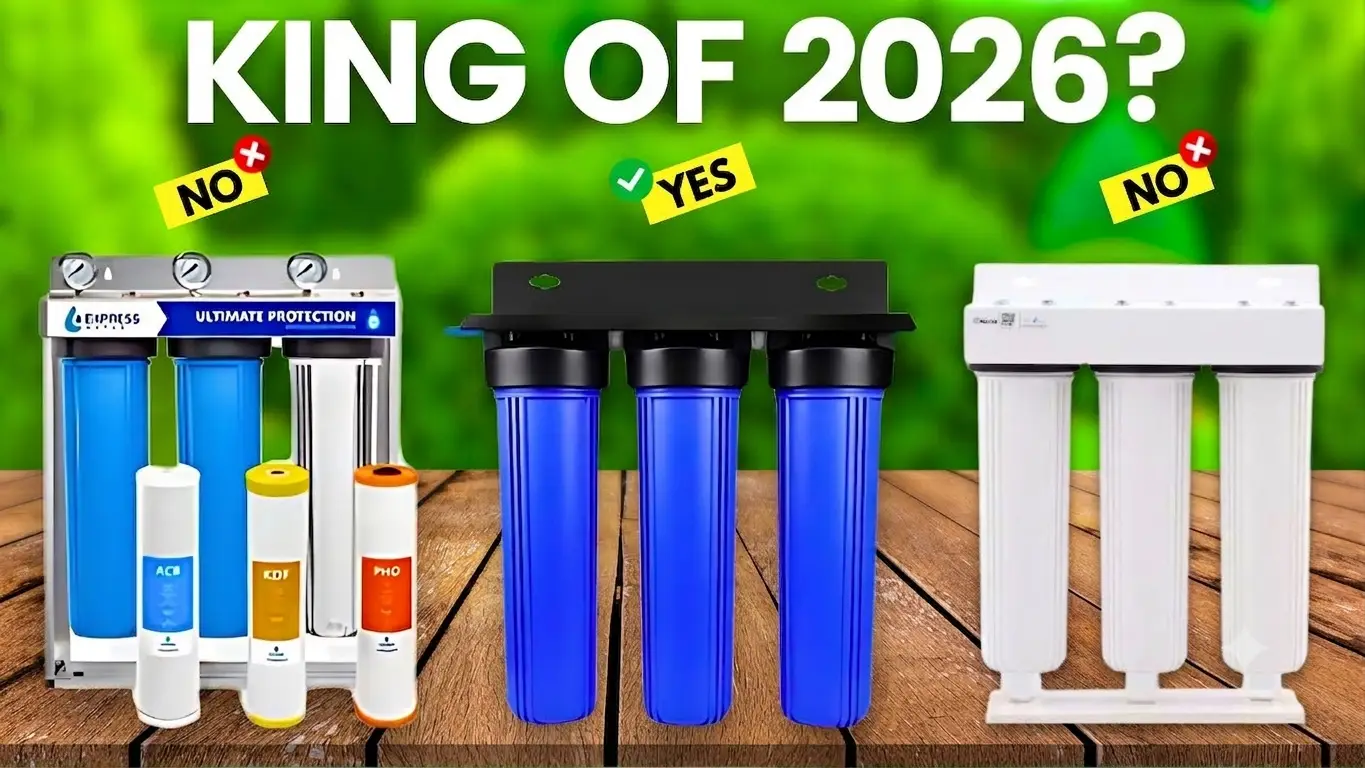
What’s up, guys? Today, we’re taking a look at the 5 best whole house water filter systems you can buy in 2026. Choosing the right system isn’t always easy because every home has different water conditions. Some households deal with chlorine taste and odor from municipal water, while others need help with sediment, iron, sulfur, or other common well water issues.
On top of that, you’ll find dozens of systems that all promise clean water, making it tough to know which one is actually worth your money. That’s why we’ve done the research and narrowed it down to five of the best options available this year. In this guide, we’ll break down what each system does best, who it’s ideal for, and any drawbacks you should know before making a decision.
Whether you’re looking for a simple, low-maintenance setup or a filtration system built for higher water demand, there’s a solid choice here for you. By the end of this blog post, you’ll have a much clearer idea of which whole house water filter system is the right fit for your home and your budget. Alright, let’s get started.
Table of Contents
Best Whole House Water Filter Systems in 2026
5. Culligan WH-HD200-C Heavy-Duty Whole House Filtration System
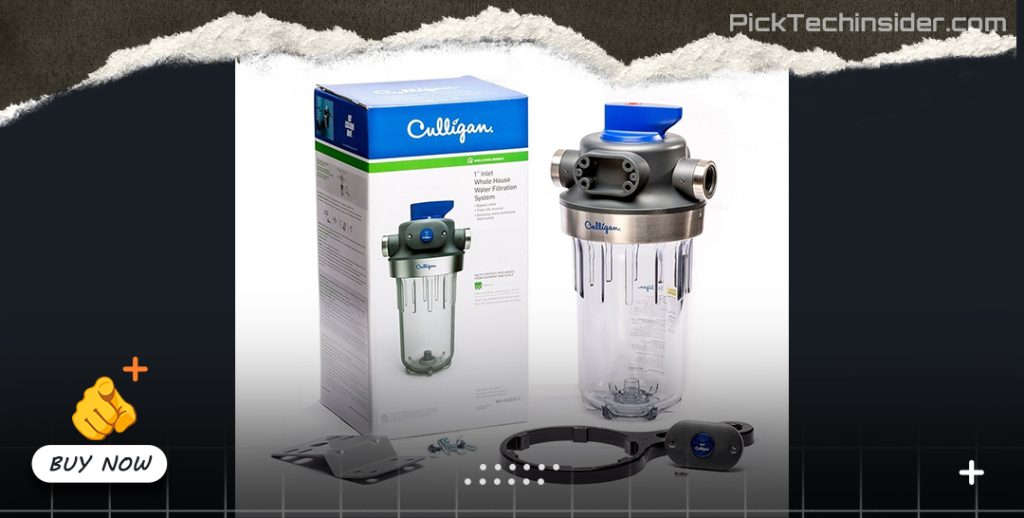
If your biggest water problem is sediment, rust, dirt, or sand, the Culligan WH-HD200-C is a dependable and budget-friendly place to start. Instead of trying to do everything, it focuses on protecting your home’s plumbing, water heater, and appliances from the particles that cause wear over time.
One feature I really like is the built-in bypass valve, which lets you change the filter without shutting off water to the entire house. It also works with several compatible filter cartridges, so you can choose the one that best fits your water quality.
The downside is that this isn’t a complete multi-stage filtration system by itself. If you’re trying to reduce chlorine, chemicals, or improve taste and odor, you’ll need to pair it with the right filter cartridge or an additional filtration stage.
Pros:
- Great for removing sediment, rust, sand, and dirt
- Built-in bypass valve makes filter changes much easier
- Flexible cartridge options for different water needs
Cons:
- Doesn’t provide full chemical filtration on its own
My verdict: If your goal is to protect your plumbing from sediment without spending a fortune, this is a practical and reliable choice. But if you want more complete filtration, keep watching because the next picks offer a lot more.
4. Aquasana Rhino Whole House Water Filter System
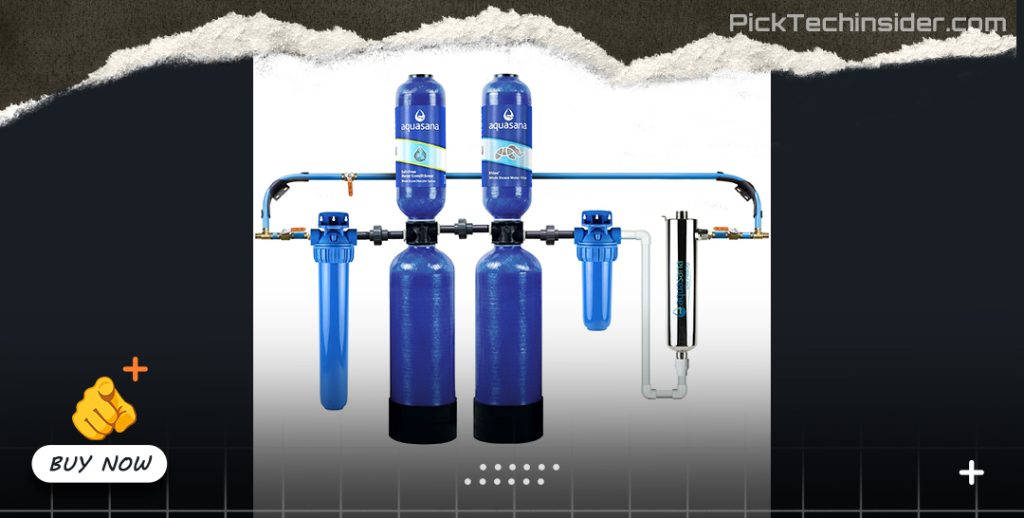
If you’re looking for a system that you can install and then not worry about for years, the Aquasana Rhino is a great choice. It’s designed for homes on municipal water and uses a combination of activated carbon and KDF media to reduce chlorine while helping improve water taste and odor throughout the house.
The main filtration tank is rated for up to 1,000,000 gallons, which can last around 10 years for many households, and there’s also an optional UV upgrade if you want extra protection against bacteria and viruses.
This system is best for families who want cleaner water from every tap with very little day-to-day maintenance. Many homeowners notice better-tasting water, less chlorine smell in the shower, and an overall improvement in water quality.
The downside is that installation is more involved than basic filter systems, and its standard flow rate is around 7 GPM, so very large households with heavy water use may want a higher-flow option.
Pros:
- Long-lasting main filter with up to 1 million gallons of capacity
- Reduces chlorine, improves taste and odor, and uses carbon plus KDF filtration
- Low maintenance with optional UV protection available
Cons:
- More expensive and usually best installed by a professional
My verdict: If you want a premium, low-maintenance system that quietly delivers cleaner water for years, the Aquasana Rhino is an easy one to recommend.
3. Home Master 3-Stage Whole House Water Filtration System
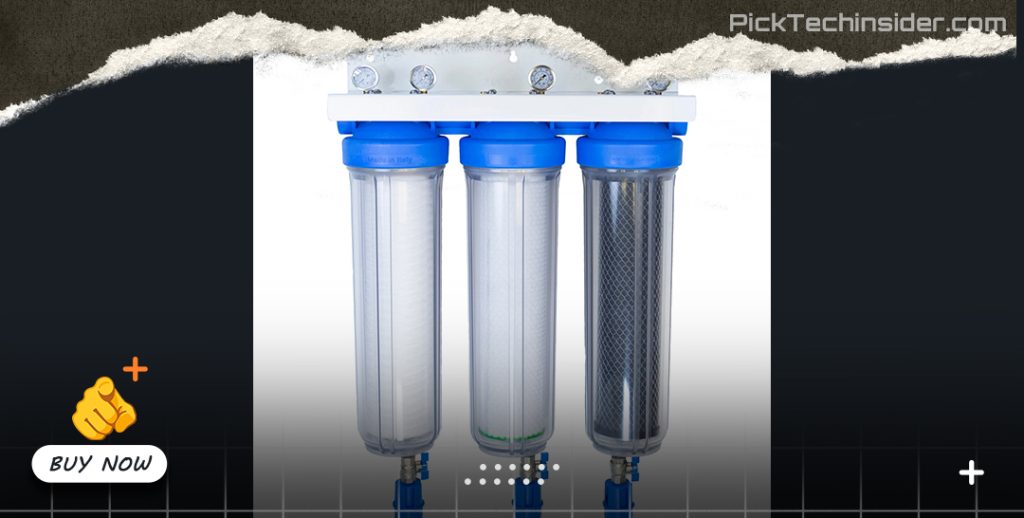
If your home runs on well water, the Home Master 3-Stage Whole House Water Filtration System deserves a close look. It’s built to handle some of the most common well water problems, including iron, manganese, sulfur odors, sediment, and chlorine where applicable. In everyday use, that means fewer orange stains in sinks and toilets, less of that rotten egg smell, and cleaner water throughout your home. With its high-flow design, it also does a great job of keeping water pressure steady, even when multiple showers or appliances are running at the same time.
This system is best for homeowners who want a reliable solution for well water without constantly replacing filters. The oversized filters typically last up to 100,000 gallons, so maintenance is usually only needed about once a year under normal household use.
The only thing to keep in mind is that this isn’t a water softener. It helps reduce iron and sulfur, but it won’t remove hardness minerals like calcium and magnesium. If hard water is your biggest issue, you’ll still need a separate softener.
Pros:
- Great for well water with iron, sulfur, and sediment problems
- Helps reduce bad odors, staining, and metallic taste
- High water flow with long-lasting filters and low maintenance
Cons:
- Doesn’t soften hard water, so a separate softener may still be needed
My verdict: If you’re tired of dealing with well water odors and staining, this is one of the most practical and dependable systems you can buy—and our top two picks bring even more value for different types of homes.
2. Express Water 3-Stage Whole House Water Filter System with Anti-Scale
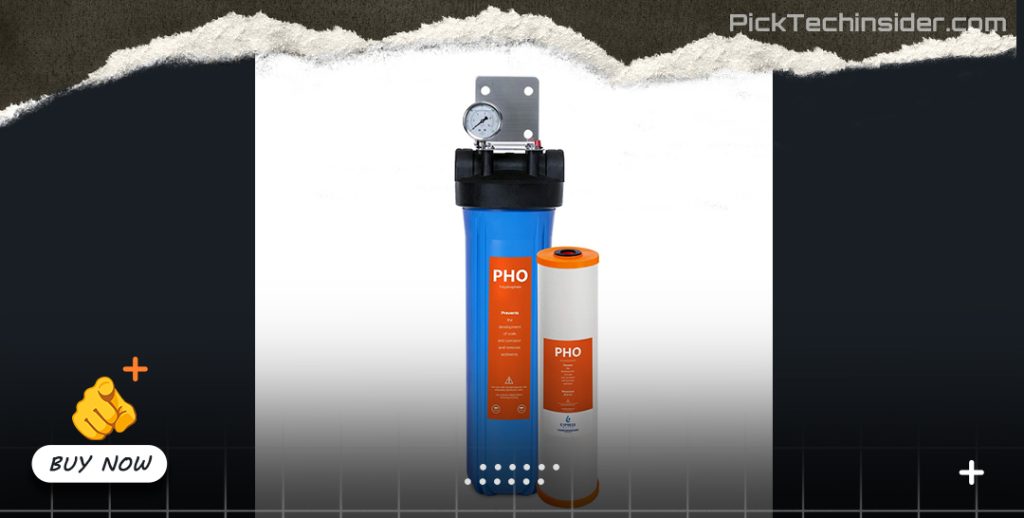
If you’re on city water and want cleaner water throughout your home without switching to a traditional salt-based water softener, the Express Water 3-Stage Whole House Water Filter System with Anti-Scale is a really well-balanced option. It combines sediment filtration, a carbon block filter, and an anti-scale polyphosphate stage to help reduce chlorine, improve taste and odor, and protect your plumbing and appliances from mineral scale buildup. In daily use, that means cleaner water for showers, laundry, cooking, and washing dishes, while helping extend the life of water heaters, coffee makers, and other appliances.
This system is a great fit for families who want better water quality with simple maintenance. The built-in pressure gauges make it easy to check how the system is performing, and the quick-change filter design keeps routine filter replacements straightforward. The honest downside is that the anti-scale stage doesn’t actually soften hard water. It helps reduce scale buildup, but minerals like calcium and magnesium remain in the water. If you want truly softened water, you’ll still need a dedicated water softener.
Pros:
- Helps reduce chlorine, sediment, and unpleasant taste and odor
- Anti-scale filter helps protect pipes and household appliances
- Easy-to-monitor design with pressure gauges and simple filter changes
Cons:
- Prevents scale buildup but does not remove water hardness
My verdict: If you want cleaner, better-tasting water and extra protection for your plumbing without the maintenance of a salt-based system, this is an excellent choice. But our number one pick delivers the best overall balance of performance, reliability, and value.
1. iSpring WGB32B 3-Stage Whole House Water Filtration System
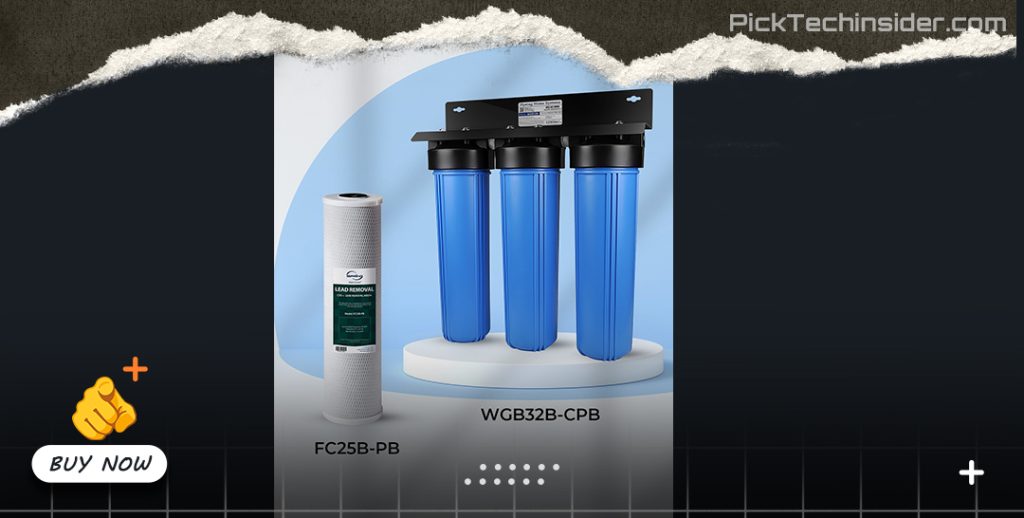
Taking the top spot is the iSpring WGB32B, and it’s easy to see why it’s one of the most recommended whole house water filter systems for homeowners on municipal water. Instead of adding unnecessary features, it focuses on what really matters—delivering cleaner water to every faucet while staying easy to own and maintain.
Its three-stage design helps reduce sediment, chlorine, herbicides, pesticides, industrial solvents, and other common contaminants, so you’ll notice fresher-tasting water, less chlorine smell in the shower, and better protection for your plumbing and appliances. With a high flow rate, it can comfortably handle the daily water needs of most medium to large homes without a noticeable drop in pressure.
This system is ideal for first-time buyers who want a dependable, no-fuss filtration system that just works. Replacement filters are widely available, maintenance is simple, and installation is straightforward for anyone with basic plumbing experience.
The filters are also NSF/ANSI certified for the contaminants they are designed to reduce, giving extra confidence in their tested performance. The only real downside is that this isn’t a water softener, so it won’t remove hardness minerals like calcium or magnesium, and it doesn’t include a built-in bypass valve for easier filter changes.
Pros:
- Excellent all-around filtration for municipal water
- High flow rate with simple, low-maintenance filter replacements
- NSF/ANSI certified components with reliable long-term performance
- Great value for the performance you get
Cons:
- Doesn’t soften hard water or include a built-in bypass valve
My verdict: If you want the best overall mix of performance, reliability, easy maintenance, and value, the iSpring WGB32B is the whole house water filter system I’d confidently recommend for most homeowners in 2026.
Final Thoughts

Those were our picks for the Best Whole House Water Filter Systems you can buy this year. The right choice really comes down to your home‘s water supply and what you want to improve.
If you’re looking for the best overall value, the iSpring WGB32B is our top recommendation thanks to its dependable performance, easy maintenance, and excellent balance of price and filtration. If your home uses well water, the Home Master 3-Stage Whole House Water Filtration System is a fantastic choice for tackling iron, sulfur, and sediment issues. And if long-term, low-maintenance ownership is your priority, the Aquasana Rhino Whole House Water Filter System is hard to beat with its long service life.
We hope this guide helped you find the Best Whole House Water Filter Systems for your home. If you have any questions or you’ve already used one of these systems, let us know in the comments—we’d love to hear about your experience.
Is a whole house water filter worth it?
Yes, a whole house water filter is worth it if you want cleaner water from every faucet in your home. Unlike under-sink or pitcher filters, a whole house system treats the water as it enters your home, helping reduce sediment, chlorine, unpleasant odors, and other contaminants before the water reaches your kitchen, bathrooms, laundry room, and appliances. It can also help extend the life of plumbing fixtures, water heaters, and washing machines by reducing buildup from contaminants.
What is the best whole house water filter system for well water?
The best system depends on what’s in your well water. Many well-water homes need filtration for sediment, iron, manganese, or sulfur rather than chlorine. Before buying any system, it’s a good idea to test your water so you know which contaminants need to be treated. Choosing a filter based on your water test results will provide the best long-term performance.
How often should I replace a whole house water filter?
Replacement schedules vary depending on the filter type, water quality, and your household’s water usage. Sediment and carbon filters typically need replacement every 6 to 12 months, while some premium filtration media can last for several years. Following the manufacturer’s recommended maintenance schedule helps keep the system working efficiently and ensures consistent water quality.
Does a whole house water filter reduce hard water?
No, most whole house water filters do not soften hard water. They are designed to reduce contaminants like sediment, chlorine, rust, and certain chemicals. If your home has hard water caused by calcium and magnesium, you’ll need a dedicated water softener or a combination system that includes both filtration and water softening.
Can I install a whole house water filter myself?
Many whole house water filter systems are designed for DIY installation if you have basic plumbing experience and the right tools. However, larger or more complex systems may require professional installation to ensure proper water flow, prevent leaks, and meet local plumbing codes. If you’re not comfortable working with your home’s main water line, hiring a licensed plumber is usually the safest option.

Hridoy Taqi
CEO & Founder at HridoyTaqi
Hridoy is a strategic problem solver who drives growth and revenue through innovative SEO and digital marketing strategies. With over 2 years of experience…..