The 5 WORST Phones You Should NEVER Buy in 2026
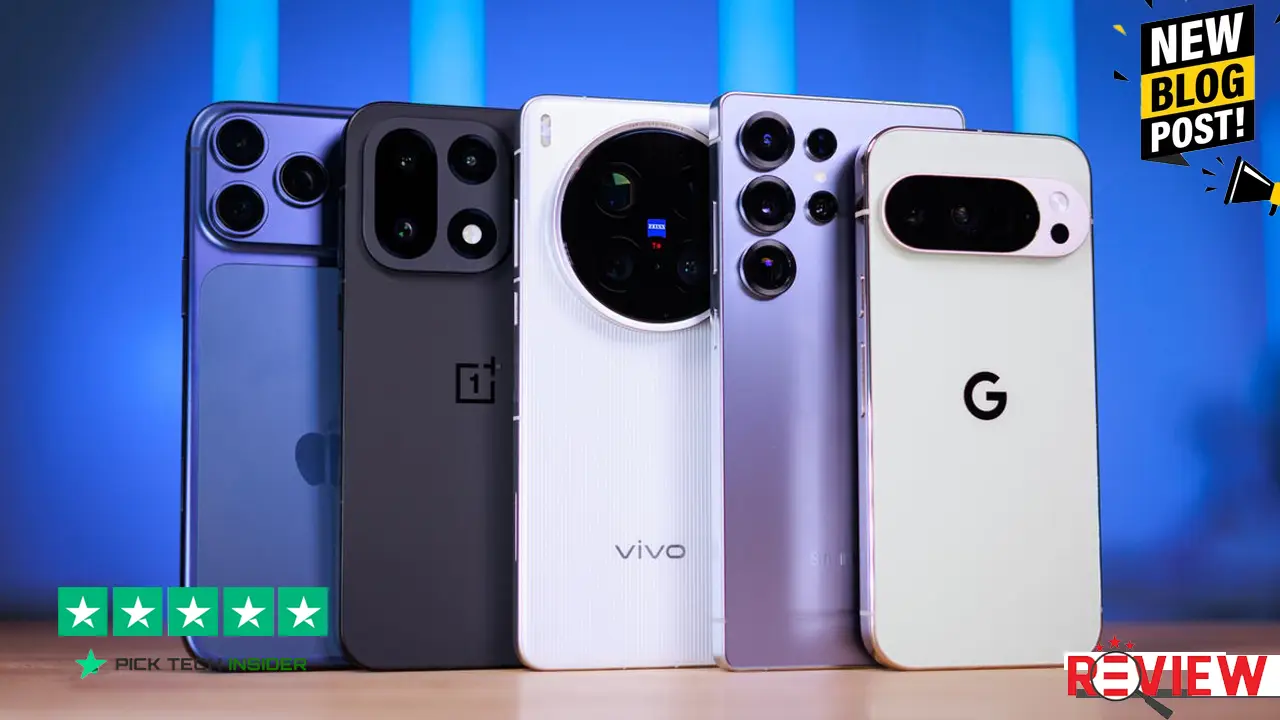
What’s up, guys? Today, we’re taking a look at the 5 worst phones you should never buy in 2026. Buying a new phone isn’t cheap, and the last thing anyone wants is to spend hundreds of dollars on a device that looks great on paper but turns out to be a disappointment after a few weeks of everyday use.
Some of the phones on today’s list come from well-known brands, and a few are even marketed as premium or “Pro” models. But a familiar name or a higher price doesn’t always mean you’re getting a better phone.
In this guide, we’ll break down five devices that simply don’t offer the value they should, explain where they fall short in real-world use, and talk about who should avoid buying them.
Table of Contents
The 5 Best Smart Phones of 2026
Our goal isn’t to hate on any brand—it’s to help you make a smarter buying decision and keep you from wasting your hard-earned money. So, if you’re thinking about upgrading your phone this year, make sure you watch this list before making your final choice. Alright, let’s get started.
5. Poco F7 Ultra
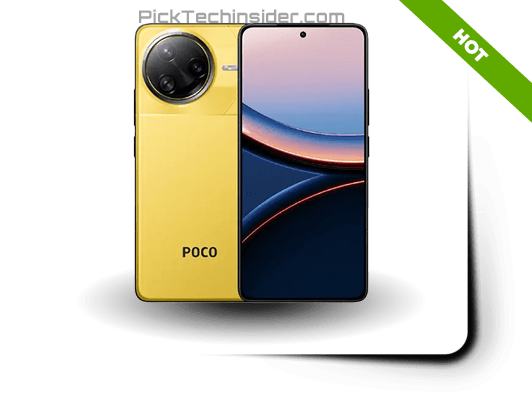
The Poco F7 Ultra isn’t a bad phone on its own, but it’s one of the easiest phones to overpay for. It delivers excellent performance, a sharp display, very fast charging, and a premium build, so if you’re a gamer who wants flagship-level speed without spending top-dollar, it’s still a capable device.
The problem is value. Compared with other Poco models and similarly priced competitors, the extra money mainly gets you a few premium features rather than a dramatically better everyday experience. Reviews also point out that the cameras are good but not class-leading, and Xiaomi’s HyperOS still includes unwanted apps and software clutter.
Pros:
- Flagship-level performance for gaming and demanding apps
- Bright, high-quality AMOLED display with ultra-fast charging
- Premium build with wireless charging
Cons:
- Costs significantly more than other Poco models while offering limited real-world improvements
- Cameras and software experience don’t fully match the price
My verdict: If you want the best value for your money, I’d skip the F7 Ultra and look at a cheaper Poco or another flagship-value phone instead.
4. Infinix Note 50 Pro
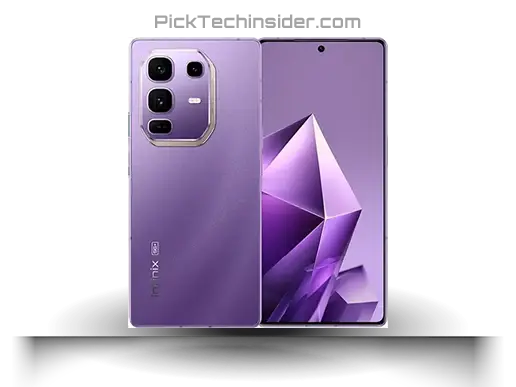
The Infinix Note 50 Pro is the kind of phone that can look really impressive in the store. You get a sleek design, a large 144Hz AMOLED screen, fast charging, and even a 50MP camera with OIS, so for everyday scrolling, watching videos, and social media, it can feel pretty premium at first.
But here is where I would be careful. It runs on the Helio G100 Ultimate, which is fine for basic daily use, but it is not the phone I would choose if you play heavier games, multitask a lot, or want strong long-term performance.
Pros: Great-looking AMOLED display, fast charging, and a solid camera setup for casual photos.
Cons: Performance is only average for the price, especially if you want smooth gaming or more demanding apps.
This phone is best for someone who mainly wants a stylish screen, fast charging, and simple everyday use.
My verdict: nice features, but I would not buy it expecting real “Pro” level speed.
3. Moto G Power (2025)
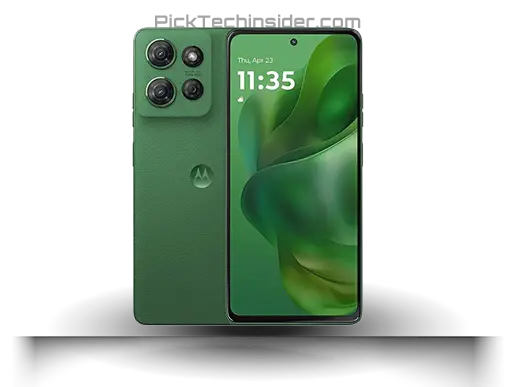
The Moto G Power has always been known for one thing—long battery life. And to be fair, that’s still its biggest strength. If all you do is call, text, browse the web, and watch YouTube, it’ll easily get you through a full day and often even longer. It also has a durable design and some nice extras like expandable storage and a headphone jack, which are getting harder to find.
The problem is that once you start asking more from it, the experience begins to slow down. Apps can take longer to open, heavier games aren’t very smooth, and the LCD display doesn’t look as vibrant as the OLED screens you can get from competing phones around the same price. That’s what makes it hard to recommend unless battery life is your top priority.
Pros:
- Excellent battery life for everyday use
- Durable build with useful features like a microSD slot and headphone jack
- Clean, easy-to-use software
Cons:
- Performance is only average, and the LCD display falls behind many competitors
This phone is best for light users who care more about battery life than speed.
My verdict: It’s dependable, but there are better all-around phones for the same money.
2. Samsung Galaxy S25 Ultra
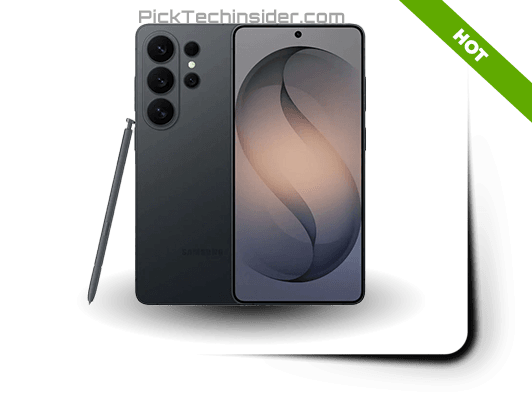
This one might surprise a lot of people because the Samsung Galaxy S25 Ultra is an excellent phone. The display is fantastic, the cameras are among the best on any Android phone, the performance is incredibly fast, and the S Pen is still a unique feature for productivity. If you’re coming from a phone that’s three or four years old, you’ll probably love it.
So why is it on this list? It’s not because it’s a bad phone—it’s because it’s a tough value. Compared to the Galaxy S24 Ultra, the day-to-day experience feels very similar for most people.
Web browsing, social media, photos, gaming, and streaming all feel nearly identical, yet the newer model launched at a premium price. Unless you specifically need the latest chipset or a few refinements, many reviewers agree the S24 Ultra remains the smarter buy, especially when it’s discounted.
Pros:
- Outstanding display, cameras, and flagship performance
- Excellent battery life with premium build quality
- Long software support and built-in S Pen
Cons:
- Very expensive, with only modest real-world upgrades over the Galaxy S24 Ultra
This phone is best for buyers upgrading from much older Galaxy devices—not for recent S24 Ultra owners.
My verdict: It’s a fantastic flagship, but at today’s prices, I’d save money and grab the S24 Ultra instead.
1. Apple iPhone 16e
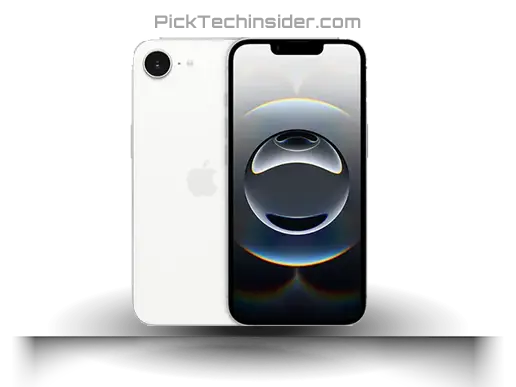
The iPhone 16e is a good smartphone, but it’s one of the hardest phones to recommend for the money. It delivers Apple’s smooth software experience, excellent everyday performance, long software support, and a reliable main camera. If you’ve never owned an iPhone before and simply want an affordable way into the Apple ecosystem, it can get the job done.
The problem is value. For its price, you’re making some big compromises. It still uses a 60Hz display while many Android phones in the same price range offer much smoother screens. You also get fewer camera options than other phones around this price, and charging speeds are still behind many competitors.
The biggest issue is that spending a little more can get you a regular iPhone 16, while shopping refurbished can often get you an iPhone 15 Pro with a better display, more versatile cameras, and extra premium features.
Pros:
- Fast everyday performance with Apple’s A18 chip
- Excellent software support for years to come
- Reliable main camera with strong photo quality
Cons:
- Expensive for what it offers, with a 60Hz display and fewer features than many similarly priced rivals
This phone is best for first-time iPhone buyers who want the lowest-cost new iPhone.
My verdict: It’s not a bad phone—but unless you find it at a significant discount, your money goes much further with the regular iPhone 16 or a refurbished iPhone 15 Pro.
Final Verdict
That wraps up our list of The 5 WORST Phones You Should NEVER Buy in 2026. Keep in mind that none of these phones are completely unusable. In fact, a few of them are solid devices on their own. The problem is that they simply don’t offer the value you should expect for the price, especially when there are better options available in the same budget.
Our biggest advice is simple: don’t buy a phone based only on the brand name or flashy marketing. Compare prices, read trusted reviews, and think about how you’ll actually use your phone every day. A little research before you buy can save you hundreds of dollars and years of frustration.
If you’re considering any phone from this list, we recommend checking out similarly priced alternatives before making your final decision. In many cases, an older flagship or a discounted premium model will give you a much better overall experience.
We regularly update our buyer’s guides with the latest smartphones, so be sure to explore our other recommendations before you spend your money. The right phone isn’t always the newest one—it’s the one that gives you the best value for your needs.
Best Picks Instead
If you’re shopping in 2026, consider looking at these better-value alternatives instead of the phones above:

- Best Overall Android: Samsung Galaxy S24 Ultra (especially at a discount)
- Best Premium iPhone Value: Apple iPhone 15 Pro (refurbished) or iPhone 16
- Best Budget Gaming Phone: Poco F7 (regular model)
- Best Mid-Range Android: Google Pixel A Series or Samsung Galaxy A Series (latest available models)
- Best Battery Value: Choose a phone that balances battery life, performance, software support, and price—not just the biggest battery or fastest charging.
How to Choose the Right Smartphone in 2026
Buying a new phone is about more than choosing the newest model. The best smartphone is the one that fits your budget, daily habits, and long-term needs. Here are four important things to check before you buy.
1. Buy for Value, Not Just the Brand
A famous brand doesn’t always mean you’re getting the best deal. Compare phones at the same price instead of focusing on the logo. Sometimes last year’s flagship offers a better camera, faster performance, and longer software support than a brand-new mid-range phone.
2. Think About How You’ll Use It
Ask yourself what you do most with your phone. If you mainly browse the web, watch videos, and use social media, you don’t need the most expensive flagship. If you enjoy gaming, video editing, or multitasking, choose a phone with a powerful processor, enough RAM, and good thermal performance to keep everything running smoothly.
3. Don’t Ignore Software Support
A phone is a long-term investment. Look for brands that provide several years of Android or iOS updates and regular security patches. Better software support means your phone stays secure, gets new features, and lasts longer before you need to upgrade.
4. Compare the Complete Package
Don’t choose a phone based on one feature like camera megapixels or charging speed. Instead, look at the overall experience, including display quality, battery life, camera performance, software, build quality, repairability, and real-world reviews. A balanced phone usually delivers a much better experience than one with just a single standout feature.
Final Tip
Before making your final decision, read trusted reviews, compare prices, and watch real-world testing. Spending a little extra time researching today can save you money and help you avoid buying a phone you’ll regret later.
Frequently Asked Questions
What should I look for before buying a smartphone in 2026?
Focus on the overall experience rather than a single feature. Compare the phone’s performance, battery life, display quality, camera, software support, and price. Reading trusted reviews and checking real-world tests can help you avoid paying too much for small upgrades.
Is it better to buy last year’s flagship or a new mid-range phone?
In many cases, yes. A previous-generation flagship often offers a better display, faster performance, superior cameras, and premium build quality than a brand-new mid-range device at a similar price. Just make sure it still receives software and security updates.
How much RAM and storage do I need in 2026?
For most users, u003cstrongu003e8GB of RAMu003c/strongu003e and u003cstrongu003e256GB of storageu003c/strongu003e provide a smooth experience for everyday tasks, gaming, and multitasking. If you mostly browse the web and use social media, u003cstrongu003e128GBu003c/strongu003e may still be enough, especially if you regularly back up photos and videos to cloud storage.
Are expensive smartphones always worth the money?
Not necessarily. Premium phones usually offer the best cameras, displays, and performance, but the improvements over slightly older models are often small. If a previous-generation flagship is available at a good discount, it can provide much better value than the newest release.
How can I avoid buying the wrong phone?
Start by deciding what matters most to you, whether it’s gaming, photography, battery life, or productivity. Then compare several phones in your budget, check long-term software support, and read reviews from trusted sources. Avoid buying a phone based only on advertisements, brand loyalty, or a single headline feature.

Hridoy Hasan
CEO & Founder at HridoyTaqi
Hridoy is a strategic problem solver who drives growth and revenue through innovative SEO and digital marketing strategies. With over 2 years of experience…..